Some of my favorite films with long run times.
Eyes Wide Shut – 159 mins
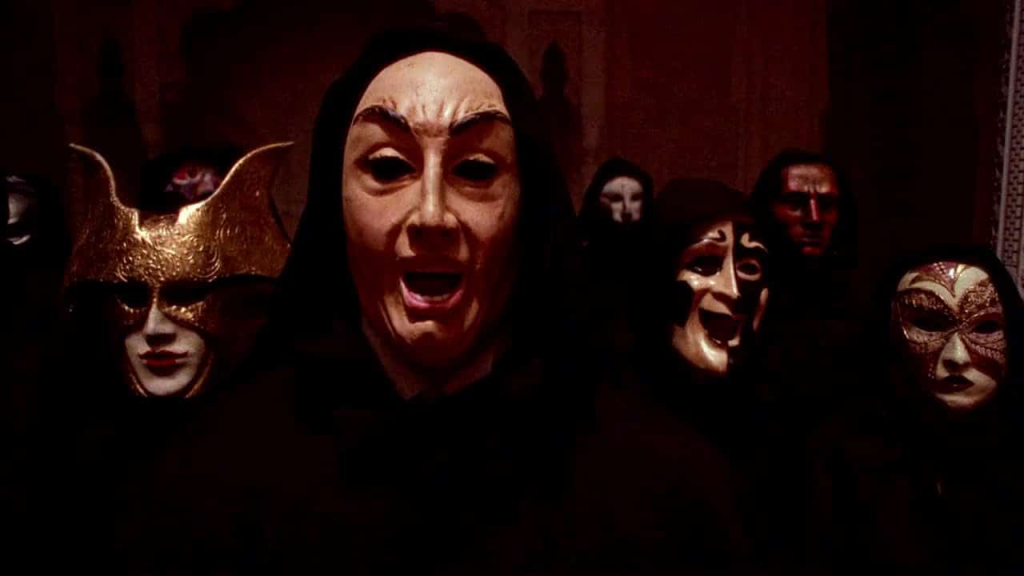
An eerie trip through marriage insecurity and the wealthy underworld. Kubrick’s filmography contains iconic, industry defining films, yet Eyes Wide Shut tends to get remembered less. I’d like to believe that it’s due to the uncanny, stomach-churning nature the film embodies. It’s not always an easy watch, but certainly one that will sit with you for days after. Eyes Wide Shut is almost two films at once. One about unresponsive desire and one about the almost otherworldly powers that be. Tom Cruise’s sexually frustrating trip through New York feels timeless in its deconstruction of masculinity. The discovery of an underground elitist sex cult feels right on the nose with modern times. Eyes Wide Shut is an enamoring watch worthy of any late night.
The Lord of the Rings: The Return of the King – 201 mins
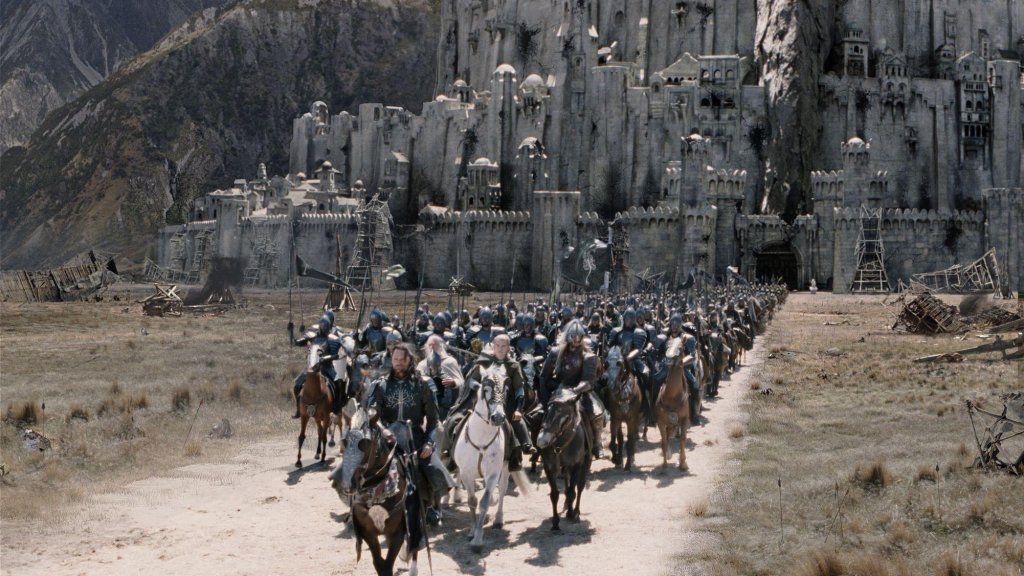
A stellar conclusion to a legendary trilogy. The Return of the King is a film that should be impossible. 3+ hours long, numerous character arcs to tackle, and has to be bigger than the first two. It delivers on those fronts, creating an epic that administers tears and goosebumps throughout. Grand battle scenes make up a large portion of the runtime, with impressive visual effects and careful direction. Jackson knows where the camera should be at all times, never leaving a character out of the spectacle. The hobbit’s journey feels handled with care and though at times predictable, never loses its core. Defeating the corrupt nature of power through friendship and sacrifice.
Yi Yi – 174 mins
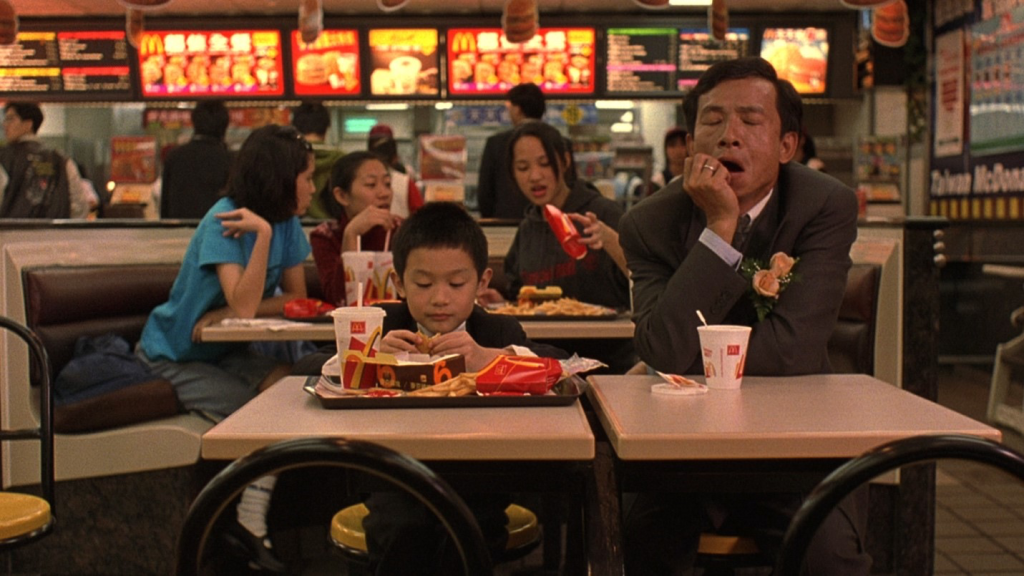
A quiet look through the human experience. Yi Yi was recommended to me as “a movie you would want to show an alien.” The film evokes the feeling of looking out your window, seeing people in their own worlds. Love losing its strength, your earliest romantic memory, and time slowly fading away are but a few examples of the human condition Yi Yi captures. Yang’s direction and patient framing allow for every moment to capture life in its beautiful normality. A family captured through the windows of a Taipei apartment. A child’s romantic curiosity followed through an elementary-school courtyard. The romantic could-have-been shadowed in a dimly lit Japanese hotel room. While not a very thrilling experience, Yi Yi will have you noticing the little moments in your day-to-day.
The Departed – 151 mins
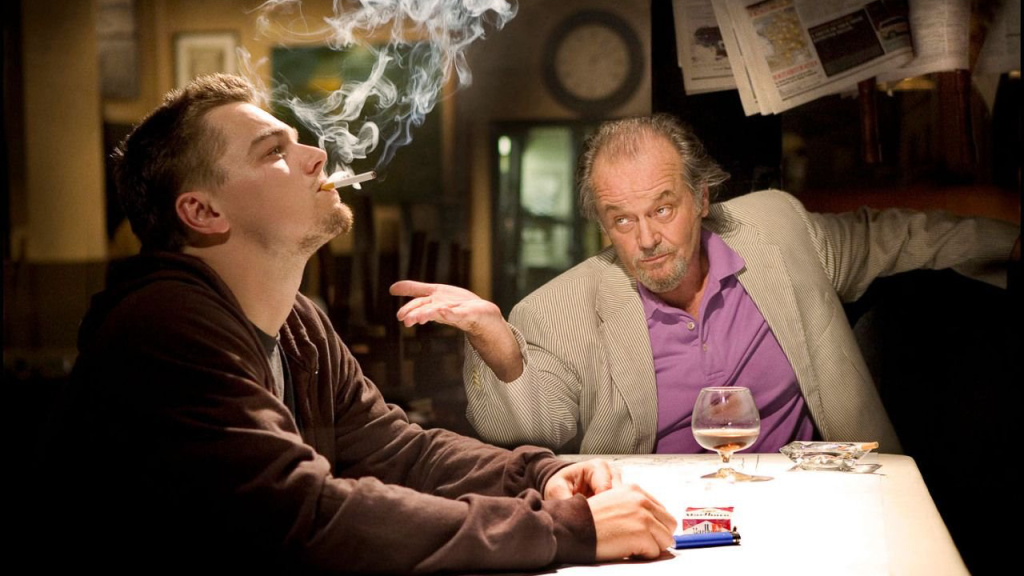
An exceptional adaptation of a Hong Kong classic. The Departed is able to extend its runtime well past Hong Kong’s Infernal Affairs, adding not only bonus character development, but stellar acting performances. Leo’s strong, anxious aura and Damon’s cockiness create an all-time dynamic. An aged Nicholson is able to go fully deranged, commanding your attention with a tight grip. Along with a phenomenal supporting cast, the film is expertly paced (as most Martin Scorsese films are), never slowing down, weaving in between violence and trust while embracing the dual narrative structure. Getting to the third act is like climbing a roller coaster hill, and when the guns start firing, you start to free fall.
Boyhood – 165 mins
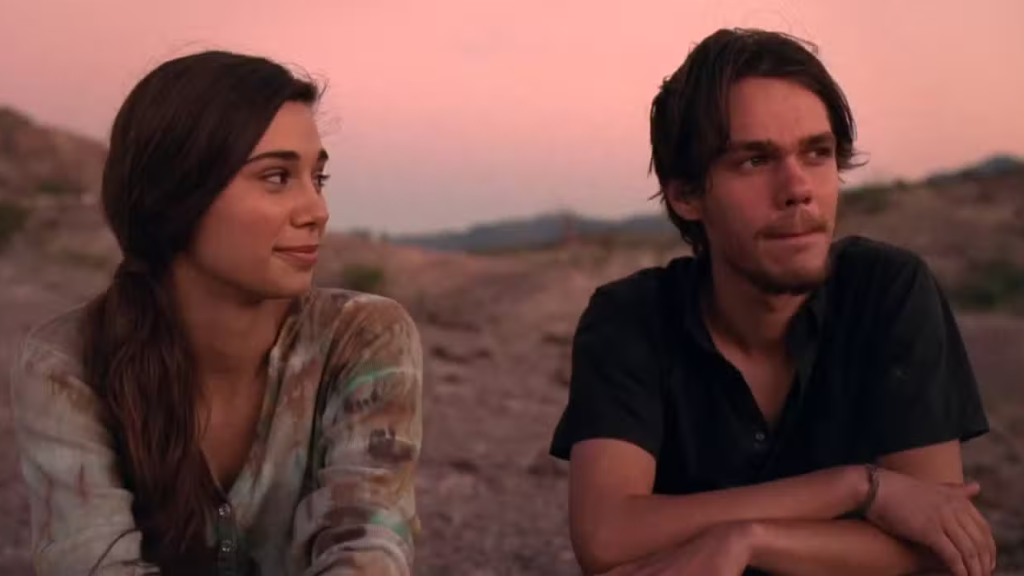
Growing up, captured on film. Boyhood is at the very least, a legendary effort and one that will be remembered in the annals of cinema history. Twelve years of film, agreed upon over a handshake, should have been an impossible task, but nonetheless Linklater succeeded. The tale of the average American boy, becoming an average American man, is truly something the arts rarely tackle. Stories of people becoming something bigger, or doing something exceptional litter film screens, but Boyhood asks a different question. What about the rest of us?
Seven Samurai – 207 mins
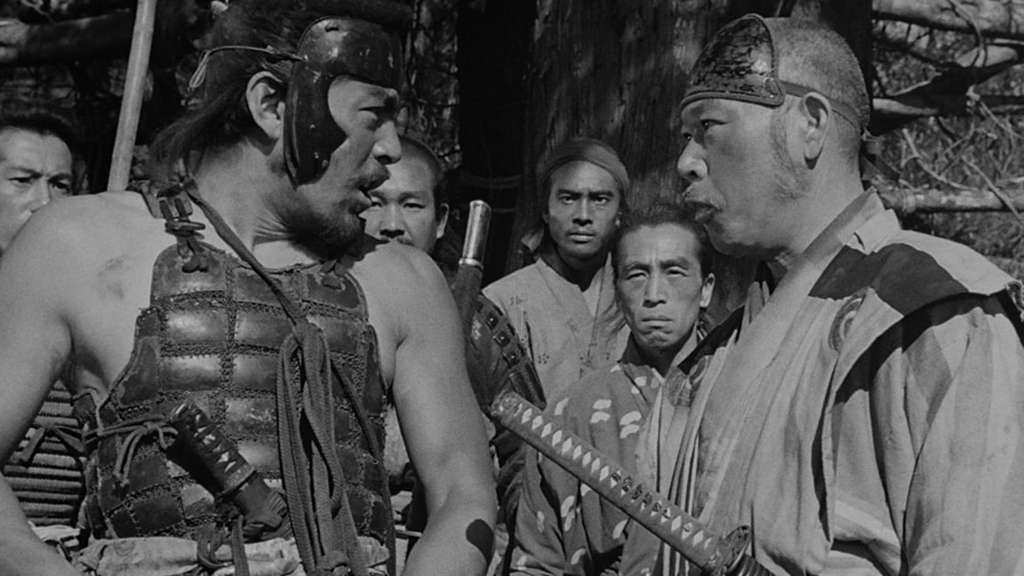
How do you recommend Seven Samurai properly? Explain how it’s cinema’s first true action film? Actually, that might be enough. Seven Samurai is cinema’s first true action film.
Magnolia – 189 mins
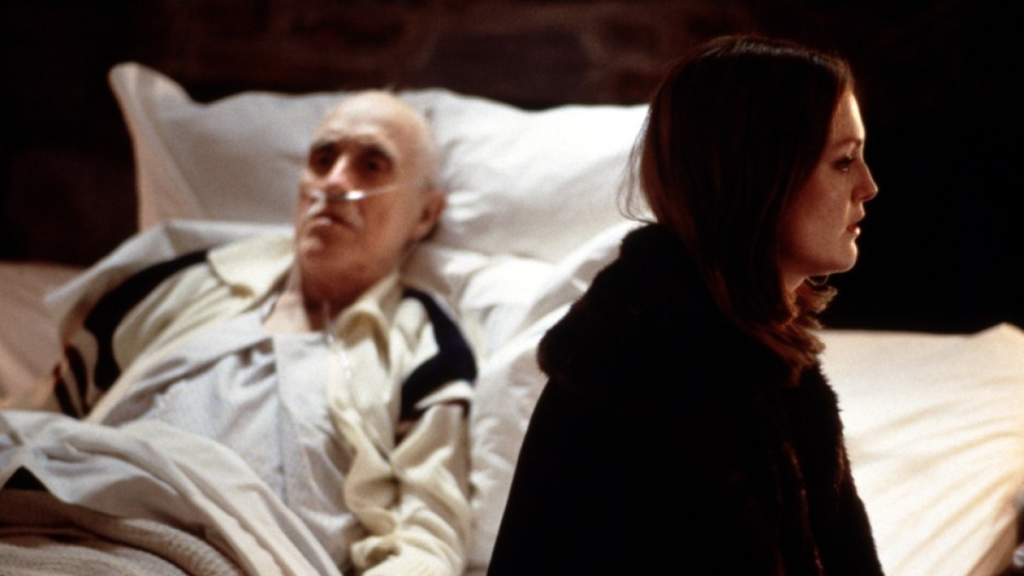
Magnolia is possibly the most engaging and well-paced 3+ hour film ever. It cuts deep, moves constantly, slows down to soak in its heavy material, then picks up again. The film is relentless with its emotional weight. PTA leaves room for growth and forgiveness, without explicitly telling you to do so. I found myself appreciating the unexplainable happenings of the film. Much of the film’s discussion revolves around certain ambiguous moments, but they feel right at home. Not everything happens for a reason, and while that’s not the happiest thing to hear, it’s honest. The characters all have individual arcs, crescendoing together, becoming harmonious. Magnolia is a tour-de-force and in many ways: Anderson’s most impressive achievement.
The Good, the Bad, and the Ugly – 161 mins
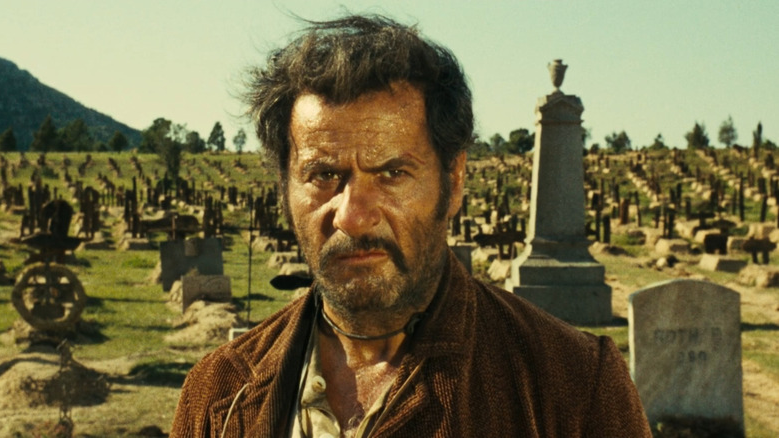
The ultimate western. Finding flaws within the film would be a total chore. 60 years of cinema can be boiled down to before TGTBTU, and after. Moral ambiguity and operatic close-ups have since become movie staples, along with the distinct character types. Stoic, capable hero. Bumbling, conniving ally. Sadistic, immovable bad guy. Leone crafted the blueprint in stone, making it an impossible effort to top.
Zodiac – 157 mins
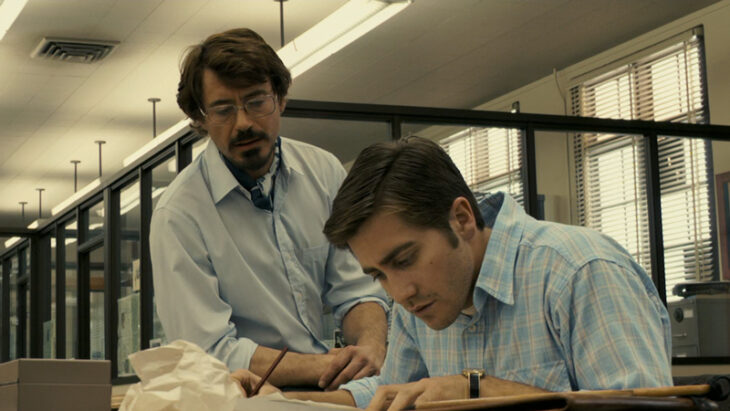
A moldering mystery, blurring the lines between obsession and passion. The Zodiac killer is modern America’s greatest enigma. Making a film that tackles the subject becomes tricky, and bound to leave you disappointed. Zodiac embraces that intrigue, that desire for the truth, and its corruptive effects. Gyllenhaal’s spiral down the rabbit hole is absorbing, and through to the very end, we stand right beside him. The more you try to get back, the more you throw away. Maybe it’s just not worth it.
Barry Lyndon – 188 mins
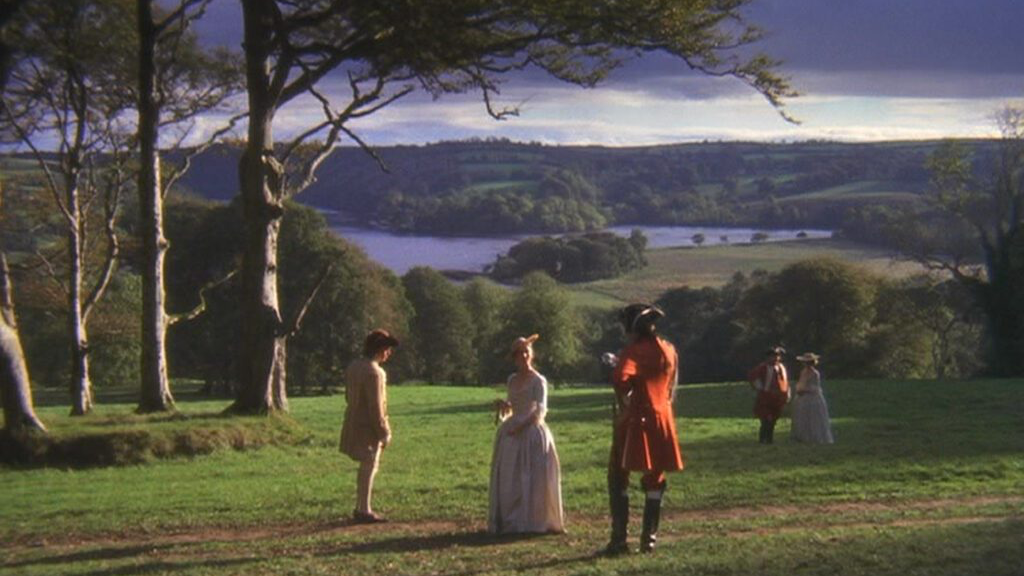
Film’s greatest painting. British period pieces are not exactly my thing. I don’t seek them out much, and when I do, my focus tends to dissipate. All this is to say, if I declare that a slow-burn, three-hour, British period epic is one of the greatest films of all time, you must believe me. Kubrick’s level of detail here is entirely unmatched. Candlelight interiors, cloth military coats, wide-lensed battle sequences, and rich, of-the-times dialogue immerse you completely into the world, and I wouldn’t be mad if you forgot you lived in the present. Every frame could be its own painting, fit for the MOMA. Underneath the luscious production, Barry Lyndon is a tight, albeit simple at times, character study. One about a power-corrupted, lonely, at-times uninteresting man. Someone who is not always evil, but clearly making up for his lack of appeal. Redmond Barry’s rise and eventual fall is one of cinema’s finely crafted tragedies.